Why Homes Near Lone Mountain in Cave Creek Need More Frequent Exterior Painting
Understanding Why Lone Mountain Homes Experience Faster Exterior Paint Wear
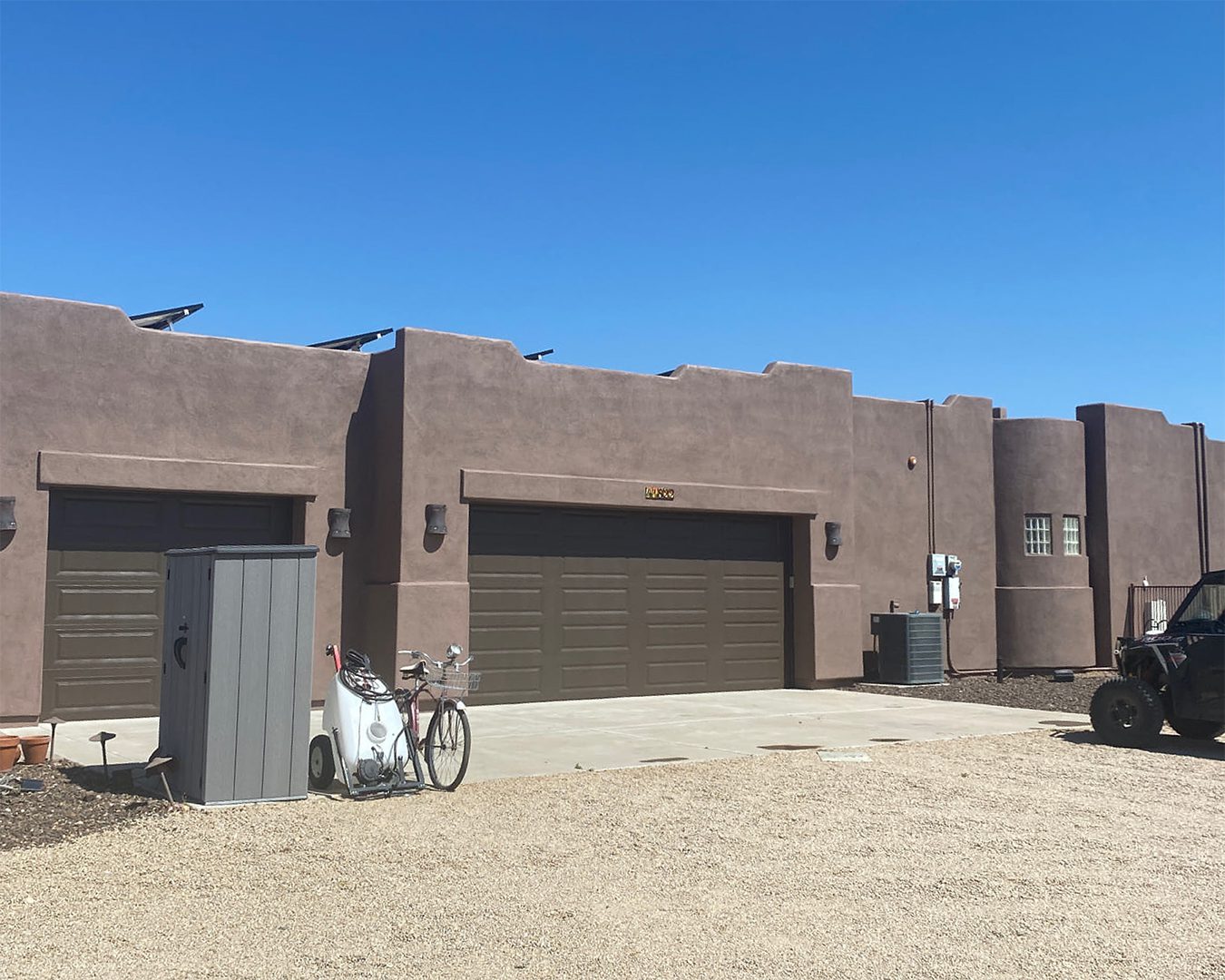
Lone Mountain homeowners know there is a special quality about the community of Lone Mountain. The exposed ridgelines and open desert terrain make it feel genuinely removed from the rest of the Valley. And that is exactly the appeal – a quiet environment surrounded by serene desert landscape. But this distinct environment is also unfortunately harder on Cave Creek homes. The elevation, the wind, the dust, and the sun all work together in ways that standard paint timelines simply weren’t built to account for.
Most exterior paint manufacturers publish lifespan estimates stating that the average paint job will last in the range of seven to ten years. That estimate does not take into account extreme conditions like the Northwest Valley’s desert environment. Lone Mountain homes typically need a repaint between five to seven years because of sun exposure. Understanding the environment and what it takes to keep your home’s paint maintained .
Sun Exposure, Elevation, and Wind: The Lone Mountain Effect on Paint
Lone Mountain is a highly elevated neighborhood with minimal tree cover to shield homes from intense sun and wind. That combination creates harsher exterior paint conditions than many Scottsdale or Chandler communities. At higher elevations, UV intensity increases, and ultraviolet exposure is one of the leading causes of paint failure. Over time, UV rays break down the binders that hold paint film together, leading to chalking, fading, and eventual coating breakdown. While the elevation impact may seem minor year to year, it compounds over the life of a paint system in Cave Creek’s already unforgiving climate.
Wind-driven abrasion is another major and often overlooked factor. Fine desert particulates such as silica dust, caliche, and mineral grit act like slow-motion sandpaper when carried across painted surfaces by consistent wind. This gradually wears down the topcoat and speeds up UV damage already taking place. South- and west-facing elevations typically show fading and chalking first due to direct sun exposure, while north-facing walls may experience mold or algae growth in shaded areas. East-facing walls usually fall somewhere in between. Even homes built with premium paint systems benefit only from added longevity—not immunity—against the combined effects of sun, wind, dust, and monsoon weather cycles.
How Desert Dust and Monsoon Season Accelerate Exterior Wear
Arizona’s monsoon season, which typically runs from June through September, creates exterior paint challenges that many markets never experience. Haboobs and seasonal dust storms leave heavy layers of caliche and fine particulate on painted surfaces. That buildup is more than cosmetic — dust can absorb and concentrate heat, increasing surface temperatures and accelerating UV-related paint breakdown. Over time, this shortens the lifespan of the topcoat and contributes to premature fading and wear.
Monsoon weather also creates repeated wet-dry stress at vulnerable transition points such as windows, fascia, trim, soffits, and other caulked seams where different materials meet. Rapid swings from dry heat to heavy rain and back again can cause caulk to crack, shrink, or lose flexibility, allowing moisture intrusion that damages both paint and substrate. After monsoon season each fall, homeowners should inspect for pulling caulk, hairline stucco cracks, roofline staining, bubbling paint, or peeling near the base of walls. Homes with gravel landscaping should pay close attention to lower wall sections, where rain splash-back can repeatedly drive water and debris against the same area, often causing earlier paint failure.
Signs Your Cave Creek Home’s Exterior Paint Is Failing Sooner Than Expected
Knowing what to look for can help homeowners catch exterior paint failure before it turns into a more expensive substrate repair issue. In Cave Creek’s harsh desert climate, warning signs often show up around year four or five rather than the year seven or eight many homeowners expect based on a product’s advertised lifespan. Spotting these early indicators can help protect your home, preserve curb appeal, and avoid larger repairs later.
- Chalking: Run your hand along a south- or west-facing wall. If a white, powdery residue comes off, the paint binders may be breaking down from UV exposure.
- Uneven Fading: If south- or west-facing walls look noticeably lighter than north- or east-facing sides, sun exposure has outpaced the paint’s ability to retain color.
- Hairline Cracking: Small cracks in stucco or around caulk lines near windows and doors can allow moisture intrusion and lead to bigger damage.
- Peeling or Pulling Away: Paint separating at trim or where materials meet often points to adhesion failure caused by expansion and contraction from Arizona temperature swings.
- Mold or Algae Growth: North-facing walls, especially near landscaping or shaded areas, may develop growth when moisture lingers longer than the coating can resist.
If you notice one or more of these issues, it may be time for a professional inspection before minor paint wear becomes a costly repair project.
How to Extend Your Paint’s Life in High-Exposure Arizona Environments
The painting contractors at Arizona Painting Company know that the right materials and maintenance practices can extend the interval between repaints, even in an environment as demanding as Lone Mountain.
Primer selection
This is the starting point that doesn’t get enough attention. In high-wind, high-UV environments, a quality bonding primer creates the foundation that determines how well the topcoat adheres and how long it lasts. Skipping primer or using a lower-grade product to reduce cost is a decision that shows up years earlier than it should.
Elastomeric topcoats
Elastomeric topcoats are worth serious consideration for stucco homes in this area. Elastomeric paint is formulated to bridge hairline cracks and flex with the substrate through thermal cycling — which means it’s better equipped to handle the expansion and contraction that Arizona temperature swings produce. It also provides superior moisture resistance, which directly addresses the monsoon season exposure these homes face.
Caulk quality
The quality of the caulk used matters as much as paint quality at the transitions. Paintable polyurethane or hybrid siliconized caulk maintains flexibility across a wider temperature range than standard acrylic caulk and holds up significantly better through wet-dry cycling. The cost difference is minimal relative to the labor already invested in a paint job.
An annual rinse
A low-pressure rinse removes the dust accumulation that would otherwise embed in and degrade the paint film over time. This is a simple maintenance step that extends the life of the topcoat and keeps the home’s exterior looking sharp between repaint cycles.
Timing
Timing your home’s repaint is also worth considering. Application in peak summer heat — above 95°F — causes paint to dry too quickly on the surface, compromising adhesion and film formation. A fall repaint allows proper cure before monsoon season the following year; a spring repaint takes advantage of mild temperatures before summer UV intensity peaks.
If your home is near Lone Mountain and you haven’t had an exterior paint assessment in four or more years, it’s worth scheduling a walkthrough before the next monsoon season arrives. Early identification of caulk failure, surface wear, or adhesion issues is always less expensive to address than the substrate damage that follows.
Contact Arizona Painting Company For Home Painting Solutions in Lone Mountain
Homes in Lone Mountain are more demanding than other Valley homes, but it’s nothing to be intimidated by. With the right type of paint and use of quality materials, homes in this Cave Creek area will continue to reflect the surrounding landscape. So if you are ready to assess your home’s exterior paint needs, Arizona Painting Company is ready to help. Contact us today for a FREE estimate and get ready to elevate the natural beauty of your home.